Claudication: Leg Pain When
Walking That Should Not Be Ignored
Do your legs cramp or ache after walking a predictable distance, then settle once you stop? That pattern, called claudication, is one of the clearest signs that your leg arteries are narrowed. It is not just a normal part of aging; it is your circulation asking for attention.
Request an Appointment
See Dr. Ayar in Pearland or Lake Jackson. Leave your name and number and our office will call you.
Board-Certified Physician
Ankle-Brachial Index Testing
Minimally Invasive Care
Pearland & Lake Jackson
8M
Americans Have PAD
Up to 1 in 3
Non-Invasive
20+
Years Experience
Overview
The Walk That Hurts: Recognizing Claudication
You head out for a walk and everything feels fine at first. Then, after a few blocks, a deep cramping pain sets into your calf, thigh, or buttock. You stop to rest, the pain fades, and you start walking again. A few minutes later, the cramp returns in the same spot.
This pattern is the hallmark of claudication, and I see it regularly in patients at Coastal Vascular Center. Many people assume the pain is just a sign of aging or being out of shape. In reality, it is a signal that the arteries supplying blood to your legs are narrowed or blocked. That signal deserves a serious response.
What Does Claudication Mean?
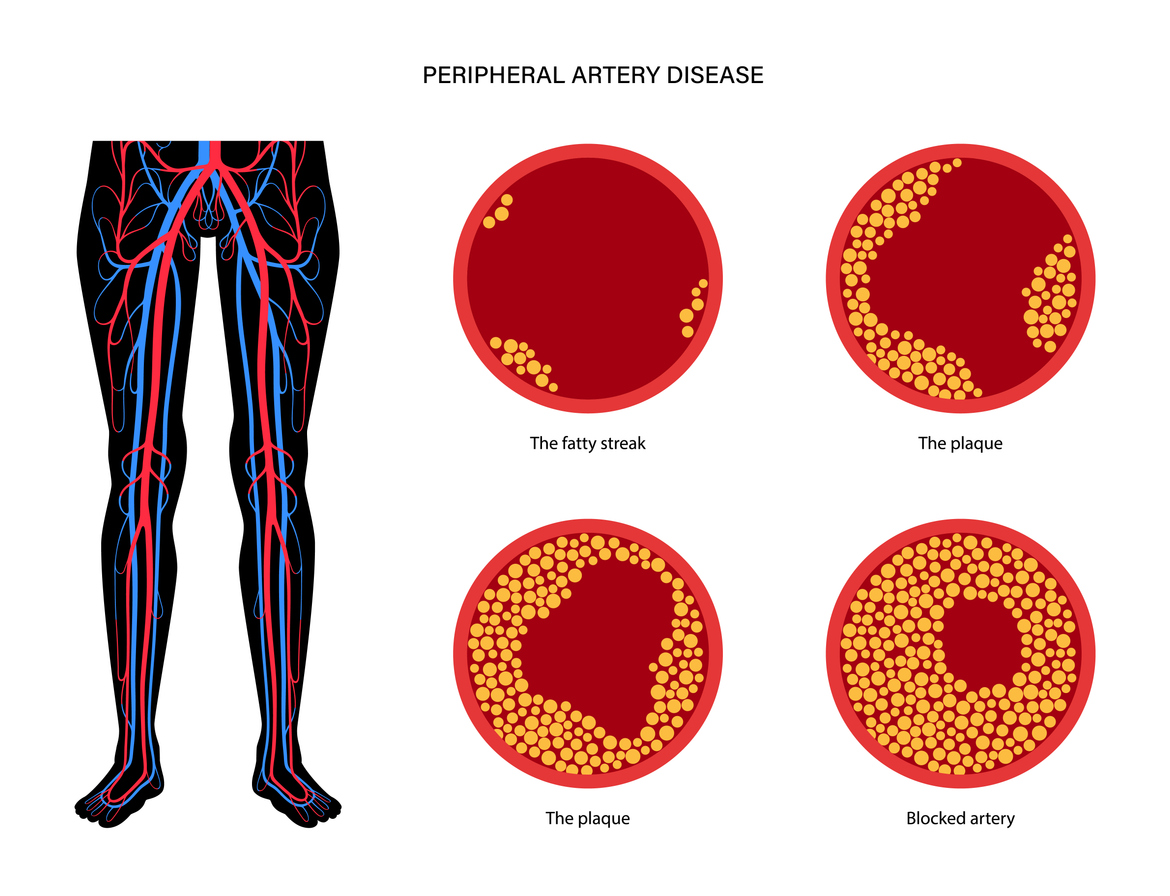
Claudication refers to leg pain caused by reduced blood flow during physical activity. The term comes from a Latin word meaning 'to limp,' which describes what many patients do when the pain sets in. The underlying cause is peripheral arterial disease (PAD), a condition where the arteries that carry blood to the legs become narrowed by plaque buildup.
During rest, the legs receive enough blood to function comfortably. However, when you walk or exercise, the muscles demand more oxygen-rich blood. Narrowed arteries cannot deliver enough. As a result, the muscles cramp and ache until you stop and allow blood flow to partially recover.
Is Claudication Dangerous?
Yes, claudication can be dangerous, and I want to be direct about this with every patient I see. Claudication is not simply a mobility problem. It is a warning sign of significant arterial disease throughout the body.
Patients with PAD have a higher risk of heart attack and stroke than those without it. The same plaque that narrows leg arteries often affects the coronary arteries and carotid arteries as well. In addition, untreated PAD can progress to critical limb ischemia, a severe condition where blood flow is so restricted that tissue begins to die. This can lead to non-healing wounds and, in serious cases, limb amputation.
The good news is that early treatment changes the outcome significantly. We have effective tools to slow the progression of PAD, relieve claudication symptoms, and reduce your overall cardiovascular risk. The key is not to wait.
Claudication is a symptom, not a diagnosis on its own. Finding and treating the underlying arterial blockage is the key to lasting relief — and that is exactly what I focus on at Coastal Vascular Center.
Related condition: Peripheral Arterial Disease (PAD) is the underlying arterial disease behind most cases of claudication. Learn how PAD is diagnosed and treated.
WHY PATIENTS CHOOSE COASTAL VASCULAR
A Physician-Owned Practice, Not a Corporate Chain
Dr. Ayar Handles Your Care
Dr. Ayar personally does every consultation and procedure. You will not be handed off to a PA or NP, as at many clinics.
Two Locations, One Physician
Many clinics have many locations and few doctors. At our Pearland and Lake Jackson offices, you always see Dr. Ayar.
Physician-Owned
Coastal Vascular Center is physician-owned, not corporately owned. Your care is guided by your doctor.
Most Insurance Accepted
We accept most insurance plans. Call our office to confirm your coverage before your visit.
Symptoms
Recognizing the Symptoms of Claudication
Claudication tends to follow a recognizable pattern. The more of these signs you notice, the more important it is to get a vascular evaluation.
Cramping or aching in the calf
The most common presentation. Pain typically builds after walking a predictable distance and settles quickly once you stop.
Pain in the thigh, hip, or buttock
When the blockage sits higher in the arterial tree, discomfort may be felt in the upper leg or hip rather than the calf.
Pain that eases with rest
The defining feature of claudication is symptoms that flare with exertion and fade within minutes of stopping.
A predictable walking distance
Many patients notice they can walk roughly the same distance each time before symptoms force them to pause.
Coldness, numbness, or weakness
Reduced circulation can leave the affected leg feeling cool, numb, or heavier than the other side.
Skin changes or slow-healing wounds
In more advanced cases, reduced blood flow can cause pale or shiny skin, hair loss on the leg, and wounds that heal slowly.
Risk Factors
Who Develops Claudication?
Claudication is caused by the same arterial disease that drives heart attacks and strokes. The risk factors are well understood, and the single strongest one is smoking.
Smoking or a history of smoking (the single strongest risk factor)
Diabetes
High blood pressure
High cholesterol
Age over 50, particularly over 65
Family history of heart disease, stroke, or peripheral vascular disease
Being overweight or physically inactive
If you have two or more of these risk factors — especially alongside leg pain when walking — I recommend a vascular evaluation. Early detection lets us treat claudication with the least invasive approach and protect your long-term health.
More Information
What Does Claudication Feel Like?
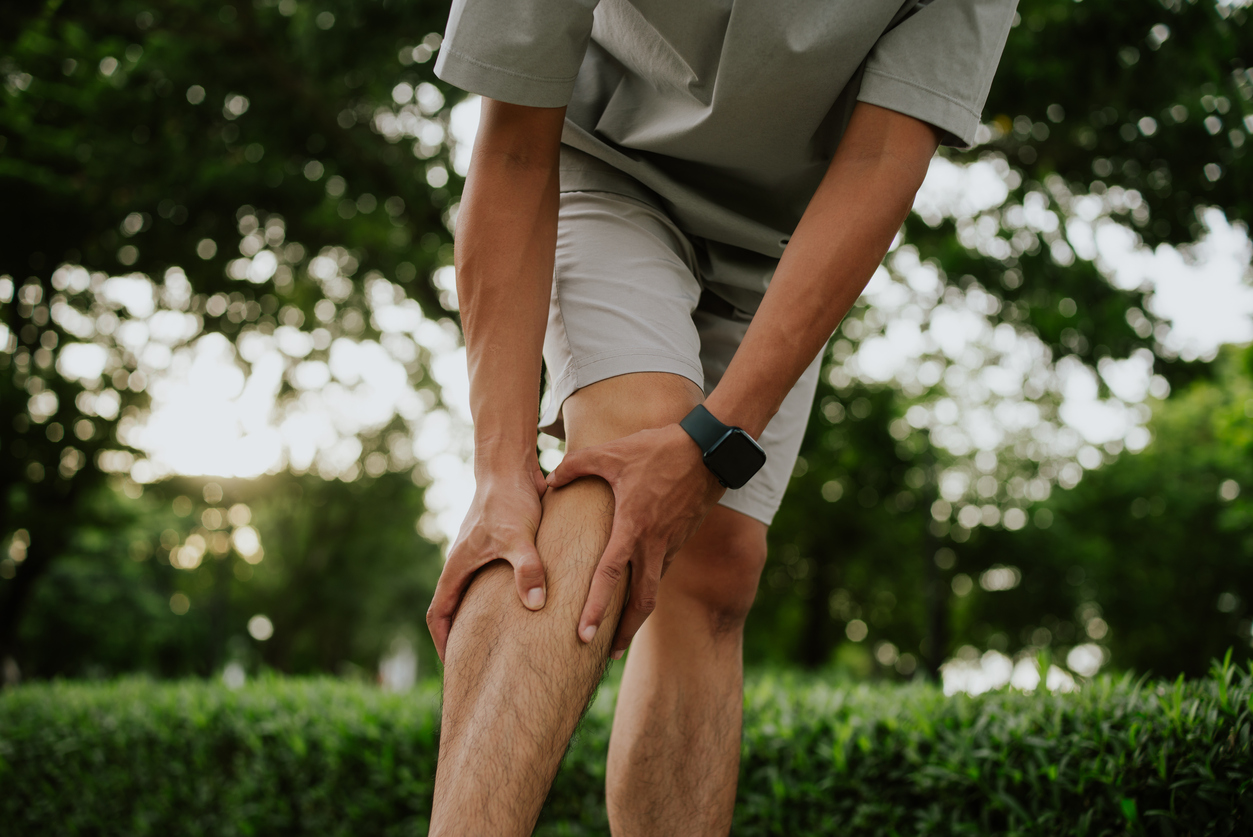
The most common description I hear from patients is a deep cramp or aching tightness in the calf. Some describe it as a burning sensation or a feeling of fatigue so intense that continuing to walk becomes impossible. For others, the pain occurs higher up in the thigh or buttock area, depending on which arteries are affected.
The pain follows a predictable pattern. It appears during exercise, forces you to stop, and then eases within a few minutes of rest. That cycle repeating itself on every walk is a strong indicator of claudication. In contrast, nerve-related leg pain (called neurogenic claudication) does not follow this same predictable walking-and-resting cycle as reliably.
Claudication or Your Spine? How to Tell the Difference
Leg pain when walking can also come from the lower back. Spinal stenosis, a narrowing around the nerves in the lower spine, causes what doctors call neurogenic claudication, and it can feel a lot like the vascular kind. A few differences help sort them out:
- Vascular claudication starts after you walk a fairly set distance. Spinal pain can also start with standing still for a while.
- Vascular pain eases within a few minutes of standing still. Spinal pain usually needs you to sit down or bend forward.
- Many people with spinal stenosis can walk farther leaning on a shopping cart. That doesn't help vascular claudication.
- Vascular pain is a cramp or ache in the muscle. Spinal pain more often comes with numbness, tingling or weakness and can shoot down the leg.
- Cool feet, weak foot pulses, shiny skin or slow-healing sores point toward a circulation problem.
Some people have both. A quick ankle-brachial index test in our office shows whether your arteries are part of the problem. If your blood flow is normal, I'll tell you and point you back to your primary care doctor or a spine doctor.
How Far Can Someone With Claudication Walk?
The walking distance before pain begins depends on how severely the arteries are narrowed. Some patients can walk several blocks before symptoms appear. Others feel pain after just fifty to one hundred feet. This distance, called the claudication distance, is one of the measurements we track to monitor your condition and assess treatment response.
As PAD progresses without treatment, the claudication distance tends to shorten. That is why I pay close attention when a patient tells me they cannot walk as far as they used to. It often means the underlying disease is advancing.
Can Claudication Go Away On Its Own?
Claudication rarely resolves without addressing the underlying arterial disease. In some patients, supervised exercise therapy improves walking distance by helping the body develop collateral circulation, meaning smaller blood vessels step up to carry more flow around the blockage. However, this benefit has limits and does not reverse the arterial narrowing itself.
Therefore, lifestyle changes and exercise should complement medical and interventional treatment, not replace it. We work with each patient at Coastal Vascular Center to design a plan that fits their overall health status and goals.

Treatment
Treatment Options at Coastal Vascular Center
When a patient comes to us with claudication symptoms, we start with a full vascular evaluation. We use ankle-brachial index (ABI) testing and duplex ultrasound to measure blood flow and identify the location and severity of any blockages. In some cases, we proceed to CT angiography for a more detailed map of the arterial system.
Treatment options depend on the severity and location of the disease. Mild to moderate claudication often responds well to medical management combined with a supervised walking program and risk factor control. For more significant blockages, we offer minimally invasive options including balloon angioplasty, stenting, and atherectomy (removing plaque from inside the artery). In some cases, open surgical bypass may be the most appropriate approach.
Supervised Exercise Therapy
A structured walking program is one of the most effective treatments for claudication. Regular, supervised walking trains the muscles to function with the blood flow available and often meaningfully extends walking distance.
Ongoing care
Medical Management
Controlling risk factors — including antiplatelet therapy, statins, blood pressure management, and smoking cessation — slows disease progression and reduces cardiovascular risk.
- As prescribed
Angioplasty & Stenting
A minimally invasive procedure in which a small balloon opens the narrowed artery and, when needed, a stent holds it open to restore blood flow. Often performed in the office with no hospital stay.
Minimally Invasive
Atherectomy
A catheter-based technique that removes plaque directly from inside the artery, restoring flow for blockages that are hard to treat with balloon angioplasty alone.
Minimally Invasive
The right treatment depends on your specific blockage
That is why accurate diagnosis matters so much. I would rather take the time to map your arteries and understand your situation than apply a one-size-fits-all approach.
Your Physician
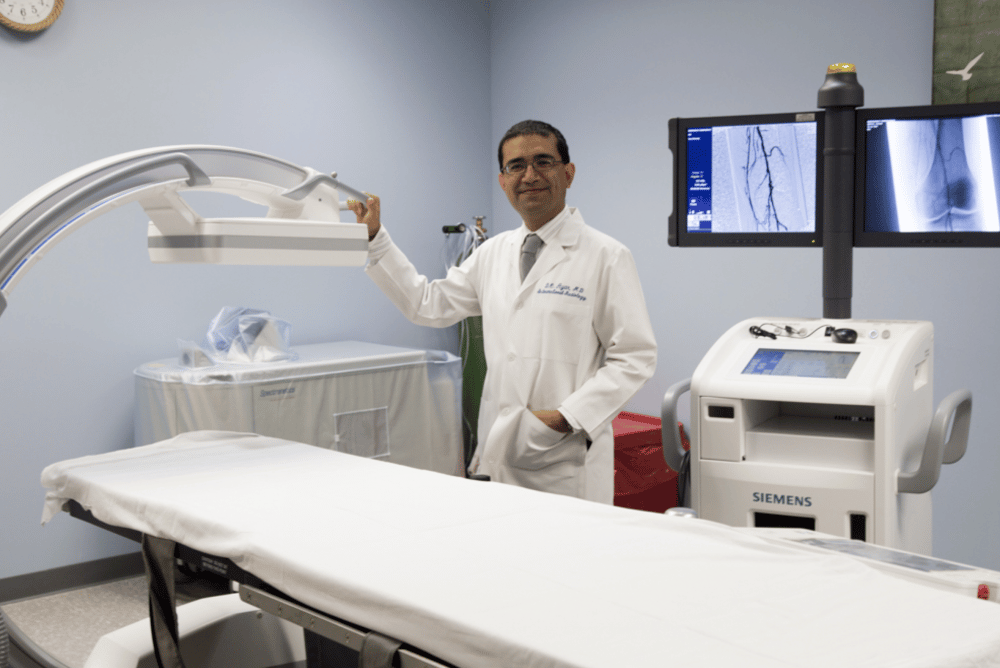
Meet Dr. Ayar
Board-Certified Interventional Radiologist
Dr. Ayar is a fellowship-trained interventional radiologist with over 20 years of experience treating vein disease, including varicose veins and chronic venous insufficiency, using the latest minimally invasive techniques.
His diagnostic-first philosophy means you will receive a thorough evaluation and honest options — never a push toward cosmetic treatments that do not address your actual vein health.
Board Certified by the American Board of Radiology
Fellowship-Trained in Interventional Radiology
Member, Society of Interventional Radiology (SIR)
Serving Pearland & Lake Jackson, TX
Patient Stories
What Patients Say About Dr. Ayar
Real Google reviews from patients at our Pearland and Lake Jackson offices.
FAQS
Frequently Asked Questions About Claudication
Is claudication dangerous?
Yes. Claudication is a sign of peripheral arterial disease (PAD), which indicates significant plaque buildup in the arteries. Patients with PAD face an elevated risk of heart attack and stroke. Untreated PAD can also progress to critical limb ischemia, where tissue begins to die due to insufficient blood flow. Early evaluation and treatment substantially improve outcomes.
Can claudication go away on its own?
Claudication does not typically resolve without treating the underlying peripheral arterial disease. Supervised exercise therapy can improve walking distance in some patients by encouraging the development of collateral blood vessels. However, the arterial narrowing causing claudication requires medical management and, in many cases, a minimally invasive procedure to restore adequate blood flow.
How far can someone with claudication walk?
Walking distance before pain begins varies widely depending on how severely the arteries are narrowed. Some patients walk several blocks before symptoms appear, while others feel pain after just fifty to one hundred feet. This distance tends to shorten as peripheral arterial disease progresses without treatment, which is why tracking walking distance is an important part of managing the condition.
What does claudication feel like?
Most patients describe claudication as a deep cramping, aching, or burning sensation in the calf, thigh, or buttock that comes on during walking and eases within a few minutes of rest. The location of the pain depends on which arteries are narrowed. The consistent pattern of pain during activity and relief at rest distinguishes vascular claudication from other types of leg pain.
Can leg swelling be cured?
Learn More
Related Articles on Peripheral Arterial Disease

A toe that suddenly turns blue or purple is alarming. It should be. One common reason is blue toe syndrome. In this condition, tiny bits of plaque break loose upstream and block...

Gangrene on leg tissue is a medical emergency. It means part of the toe, foot, or leg is dying because it is not getting enough blood, or because a severe infection has taken...
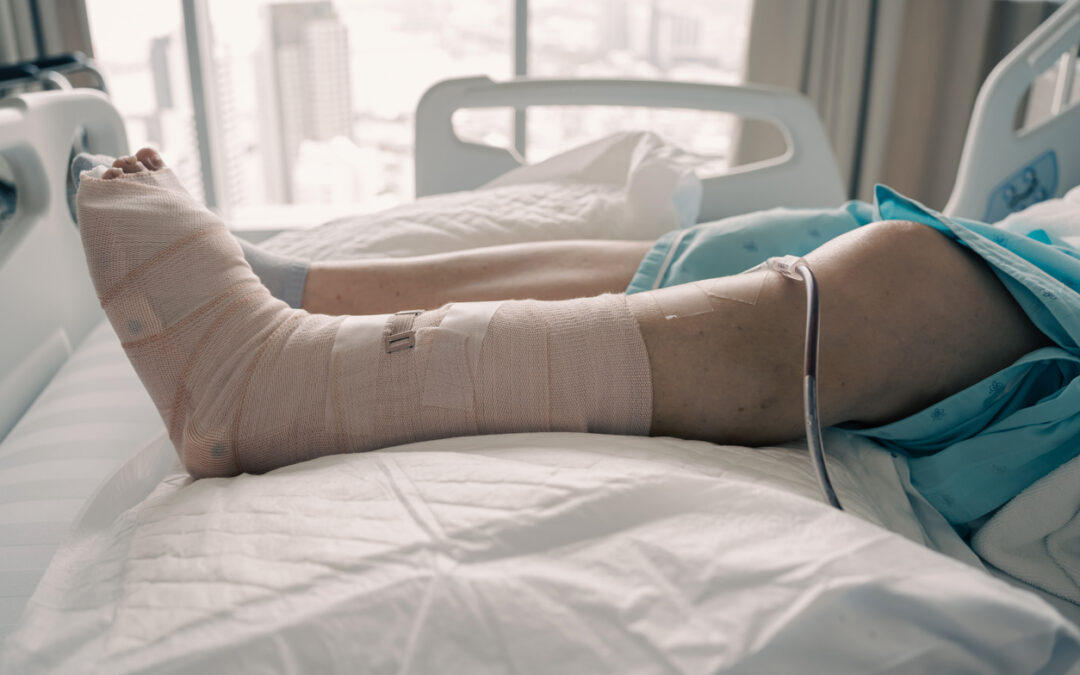
For most people, peripheral artery disease (PAD) progresses slowly over years. Lifestyle changes, medication, and regular checkups can keep it under control. In some patients,...
Why Call Coastal Vascular Center
At Coastal Vascular Center, I have treated many patients in Pearland, Lake Jackson and Brazoria County who lived with claudication for years before learning what was really causing their pain. We combine state-of-the-art diagnostic tools with minimally invasive treatment options to help you walk farther, feel better, and protect your long-term cardiovascular health.
Claudication is your body telling you something important. Please do not ignore it.
Call Coastal Vascular Center today or request an appointment online. We see patients at our Pearland and Lake Jackson offices.
Do not wait until symptoms become severe. Call us today or request an appointment online. We are here to help you find answers and get real relief.