
Many of my patients tell me the hardest part of living with PAD is not the diagnosis itself. Instead, it is the slow way the disease chips away at everyday life. A walk to the mailbox needs a rest stop. Grocery trips get shorter. Sleep gets interrupted by aching feet. The good news is that most of these changes can improve. In this article, I explain how peripheral artery disease affects daily life, which warning signs need fast attention, and the steps that help people feel and move better.
Key Takeaways
- PAD narrows the leg arteries, which can limit walking, sleep, work, and social life.
- It is also a sign of plaque in other arteries, so it raises the risk of heart attack and stroke.
- A structured walking program, quitting smoking, and the right medicines can increase how far you walk without pain.
- Rest pain, slow-healing sores, and color changes in the foot need prompt care.
- When blockages limit your life, minimally invasive procedures can restore blood flow.
What PAD Is and Why It Matters
Peripheral artery disease, or PAD, happens when plaque builds up in the arteries that carry blood to your legs and feet. Plaque is made of cholesterol, fat, and other substances that stick to the artery walls. As a result, your muscles and skin get less oxygen, especially when you are active.
PAD is more than a leg problem. The same plaque often builds up in the arteries of the heart and brain. According to the National Heart, Lung, and Blood Institute, people with PAD have a higher risk of heart attack and stroke. For this reason, I treat PAD as a whole-body condition. If you are worried about what a diagnosis means for your long-term health, read my article on PAD life expectancy.
Common risk factors include:
- Smoking, even if you have quit
- Diabetes
- High blood pressure or high cholesterol
- Chronic kidney disease
- Age over 50, especially with other risk factors
- A personal or family history of heart disease, stroke, or vascular disease
Some people have no symptoms for years. Meanwhile, others notice tired, heavy legs. Many feel cramping in the calves, thighs, or buttocks when they walk that goes away with rest. This is called claudication.
How Living With PAD Affects Everyday Life
PAD can touch almost every part of the day. Here are the changes my patients describe most often.
Walking and Independence
Leg cramps can shorten how far you walk before you need to stop. Over time, people avoid stairs, hills, and long parking lots. As a result, errands, shopping, golf, gardening, and travel may get harder. Some people slowly give up activities they love without realizing why.
Sleep
In more advanced PAD, the feet may ache or burn at night. Often, the pain eases when you hang your leg over the side of the bed. This is called rest pain, and it is a warning sign that blood flow is very low. Poor sleep then leads to daytime tiredness and trouble focusing.
Work
Jobs that involve standing or walking can also become tiring. Leg soreness often gets worse late in the day. In addition, wounds or procedures may mean time away from work.
Skin, Wounds, and Feet
Poor circulation can make the skin cool, shiny, or discolored. Hair on the shins may thin, and toenails may grow slowly. Most importantly, small cuts and pressure spots may heal slowly. Without enough blood flow, a sore can turn into an arterial ulcer or become infected. This risk is higher in people with diabetes.
Emotional Health and Relationships
Chronic leg pain affects mood, too. For example, some people feel embarrassed about frequent rest stops. Others pull back from friends and family. Worry about the future, including amputation or heart problems, is common. Anxiety and low mood are real parts of living with PAD, so please mention them to your doctor. PAD can also affect sexual health, which is worth discussing openly.
Warning Signs That Need Prompt Care
Most PAD changes slowly. Still, some symptoms mean the disease has advanced:
- Foot pain at rest, especially at night
- A sore on the toes, feet, or legs that does not improve within a couple of weeks
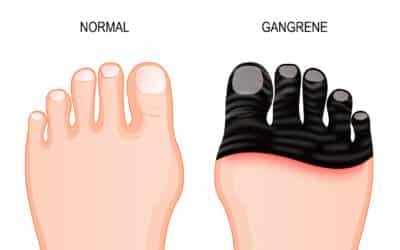
- Toes or feet that turn pale, blue, or dark
- One foot that is much colder than the other
Call our office promptly if you notice any of these. They can be signs of critical limb ischemia. However, if your leg suddenly becomes cold, pale, numb, weak, or very painful, call 911. That can be an emergency.
Daily Habits That Make Living With PAD Easier
Lifestyle changes are the foundation of PAD care. They reduce pain, help you walk farther, and lower your heart risk.
Quit Smoking
Smoking is the biggest risk factor you can change. Quitting slows the disease and helps any procedure last longer. Counseling plus medication works better than willpower alone. You can read more in my article on smoking and PAD.
Walk With a Plan
A structured walking program is one of the most helpful treatments for claudication. Typically, you walk until the pain is moderate, rest until it fades, and then walk again. Most programs aim for about 30 to 45 minutes, three times a week, for at least 12 weeks. Supervised exercise programs are often covered by insurance for PAD. If one is not nearby, a home program can also help. The NHLBI offers more tips on staying active with PAD.
Eat for Your Arteries
In addition, a heart-healthy eating pattern helps lower cholesterol, blood pressure, and inflammation. Focus on vegetables, fruit, whole grains, beans, nuts, fish, and olive oil. Limit processed foods, added sugar, and salt. Our PAD nutrition guide has practical ideas.
Care for Your Feet Every Day
- First, check your feet daily, including between the toes and on the heels.
- Moisturize dry skin, but not between the toes.
- Wear well-fitting, cushioned shoes and seamless socks.
- Never walk barefoot.
- Avoid heating pads on numb feet; use warm socks instead.
Be Careful With Compression
Compression stockings help many vein problems. However, strong compression can reduce blood flow in severe PAD. Please do not start compression without checking with your doctor first.
Medical Treatments That Help
Medicines also play an important role. Your plan is tailored to your health and bleeding risk. Many patients take:
- A statin to lower cholesterol and slow plaque growth
- An antiplatelet medicine to lower the risk of heart attack and stroke
- Medicines to control blood pressure and blood sugar
- In some cases, a prescription medicine that can increase pain-free walking distance
After a procedure, your medicines may change to help keep the artery open. Always follow your doctor's instructions.
Minimally Invasive Procedures When Blockages Limit Your Life
If symptoms still limit your life, or if you have rest pain or a wound that will not heal, restoring blood flow may be the next step. As an interventional radiologist, I treat blockages from inside the artery through a tiny puncture. Depending on the blockage, I may use angioplasty, stenting, or atherectomy. Most patients go home the same day. For long or complex blockages, surgical bypass may be a better choice, and I will coordinate that care.
After blood flow improves, many patients walk farther, sleep better, and heal wounds that had been stuck. Combining a procedure with a walking program and good risk factor control gives the best long-term results.
You Do Not Have to Just Live With It
Although PAD is a chronic condition, it is a treatable one. With early care, most people can stay active and independent. In fact, many of my patients feel better a year after diagnosis than they did before.
Coastal Vascular Center is a small, physician-owned practice, not a corporate chain. You will see me at every visit, and I personally perform every procedure. That continuity helps me track your walking, wounds, and goals, and adjust your plan as you go. You can also hear from other patients on our testimonials page.
Get Back to Living Well With Dr. Ayar
If leg pain, slow-healing sores, or nighttime foot pain are limiting your day, an evaluation is a simple first step. We will check your circulation and build a plan around your goals. You will see Dr. Ayar at every visit in Pearland or Lake Jackson.