Patients often come in having heard two sets of letters, PAD and DVT, and they aren't sure which one they have or whether it's the same thing. Both cause leg pain, and both involve blood vessels in the legs. The similarity mostly ends there. PAD is a problem with the arteries that bring blood down to your legs. DVT is a blood clot in a vein that carries blood back up.
I'm Dr. Ayar, an interventional radiologist at Coastal Vascular Center in Pearland and Lake Jackson. I diagnose and treat both. Here is how PAD vs DVT compares, how each one feels, and which one needs help right away.
Key Takeaways
- PAD (peripheral artery disease) is plaque that narrows the arteries to your legs. It usually builds over years.
- DVT (deep vein thrombosis) is a blood clot in a deep leg vein. It usually comes on over hours or days.
- PAD often causes calf cramping when you walk that eases with rest. DVT usually causes swelling, warmth and pain in one leg.
- A DVT can break loose and travel to the lungs. Chest pain or shortness of breath with a swollen leg means call 911.
- A simple ankle-brachial index test checks for PAD, and an ultrasound checks for DVT.
PAD vs DVT at a Glance
| PAD | DVT | |
|---|---|---|
| Blood vessel | Arteries (bring blood to the legs) | Deep veins (carry blood back to the heart) |
| What goes wrong | Plaque narrows or blocks the artery | A blood clot forms inside the vein |
| How it starts | Slowly, over months or years | Usually over hours to days |
| Typical pain | Cramping in the calf, thigh or buttock when walking, eases with rest | Aching or tenderness in one leg, often in the calf, that doesn't go away with rest |
| Swelling | Usually none | Common, usually in one leg |
| Skin | Cool, pale or shiny, slow-healing sores on the feet | Warm, red or darker than the other leg |
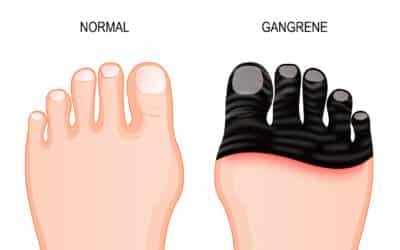
| Main danger | Wounds that won't heal, gangrene, heart attack and stroke risk | A clot that travels to the lungs (pulmonary embolism) |
| Main test | Ankle-brachial index (ABI) and ultrasound | Duplex ultrasound of the veins |
What Is PAD?
Peripheral artery disease is the same plaque buildup that causes heart attacks, but in the arteries of your legs. As the arteries narrow, your leg muscles don't get enough blood when they're working. The classic symptom is claudication: cramping or aching in the calf, thigh, or buttock that starts after you walk a certain distance and fades when you stop. For more on how plaque and clots form differently, see atherosclerosis vs thrombosis.
Many people with PAD have no symptoms at all, or only vague tiredness in the legs. As it gets worse, you may notice cold feet, shiny skin, less hair on your legs, or sores on your toes or feet that heal slowly. Smoking, diabetes, high blood pressure, high cholesterol and age are the biggest PAD risk factors. My PAD overview covers it in more depth.
What Is DVT?
Deep vein thrombosis is a blood clot that forms in one of the large veins deep in your leg. It often follows something that slows blood flow or makes blood clot more easily: surgery, a hospital stay, a long flight or car ride, an injury, pregnancy, birth control or hormone pills, cancer, or a personal or family history of clots.
DVT usually shows up as swelling in one leg, along with pain or tenderness, warmth, and skin that looks redder or darker than the other leg. Some clots cause few symptoms. The danger is that part of the clot can break off and travel to the lungs, which is called a pulmonary embolism. You can read more about the signs of DVT and its causes.
How the Pain Feels Different
The pattern of pain is often the best clue. PAD pain is tied to activity. It shows up about the same distance each time you walk and eases within a few minutes of rest. In advanced PAD, the foot can hurt at rest, especially at night, and feel better when you hang it over the side of the bed.
DVT pain doesn't follow your steps. It's a steady ache, cramp, or tenderness in one leg, often with swelling, and it doesn't go away with rest. If you press along the calf, it may feel sore.
When to Get Help Right Away
Call 911 if you have sudden shortness of breath, chest pain that's worse when you breathe in, a racing heart, or you cough up blood, especially if you also have a swollen leg. These can be signs of a pulmonary embolism.
Go to the emergency room if a whole leg or foot suddenly turns cold, pale, or blue and hurts badly. That can be a sudden artery blockage.
See a doctor the same day for new swelling in one leg, especially with pain or warmth. Make a regular appointment for leg cramping when you walk, cold feet, or a foot sore that heals slowly.
How We Test for PAD and DVT
- For PAD, the ankle-brachial index compares blood pressure at your ankle and arm. A duplex ultrasound shows where the arteries are narrowed.
- For DVT, a duplex ultrasound of the leg veins shows whether a clot is present and where it is.
Both tests are painless and done in my office.
How PAD and DVT Are Treated
PAD treatment starts with protecting your arteries: quitting smoking, walking, and controlling blood pressure, cholesterol, and diabetes, often with medicines your doctor prescribes. When blockages limit your walking or threaten your foot, I can open them with angioplasty, stents, or atherectomy through a tiny puncture in the skin.
DVT is usually treated with blood thinners, which stop the clot from growing while your body breaks it down. For some large clots, a procedure to remove or break up the clot may help. My article on living with DVT covers what recovery looks like. MedlinePlus has more on deep vein thrombosis and peripheral artery disease.
Can You Have Both?
Yes. They share some risk factors, such as smoking and age, and one doesn't protect you from the other. Some patients I treat for PAD later develop a DVT after surgery or a long trip, and the reverse happens too. If your symptoms change, tell your doctor rather than assuming it's the same problem as before.
PAD and DVT Care at Coastal Vascular Center
Coastal Vascular Center is a physician-owned practice in Pearland and Lake Jackson. You see me at every visit, from testing to any procedure and follow-up, whether the problem turns out to be in your arteries or your veins.
PAD vs DVT: Common Questions
PAD is plaque narrowing the arteries that carry blood to your legs. DVT is a blood clot in a deep vein that carries blood back to your heart. PAD develops slowly; DVT usually comes on over hours to days.
Both can be serious. A DVT can travel to the lungs, which is an emergency. PAD raises the risk of heart attack, stroke and foot wounds that can lead to gangrene. Each needs the right diagnosis and treatment.
PAD usually does not cause swelling. New swelling in one leg points more toward a vein problem such as DVT and should be checked the same day.
Yes. A duplex ultrasound can look at both the arteries and the veins in your leg. It shows narrowed arteries in PAD and blood clots in DVT.
Regular walking is one of the best treatments for PAD. With DVT, follow your doctor's advice; most people are encouraged to stay active once treatment has started.
Get Your Leg Pain Checked by Dr. Ayar
Whether your symptoms point to your arteries or your veins, simple in-office tests can find the cause. You will see Dr. Ayar at every visit in Pearland or Lake Jackson. If you have chest pain or trouble breathing, call 911.