
Some swelling after an operation is expected. Your body sends fluid to the area it is healing, and lying in bed or sitting in a recliner for days lets fluid settle in your lower legs. But surgery is also one of the biggest risk factors for a blood clot in the leg, and the two can look alike at first.
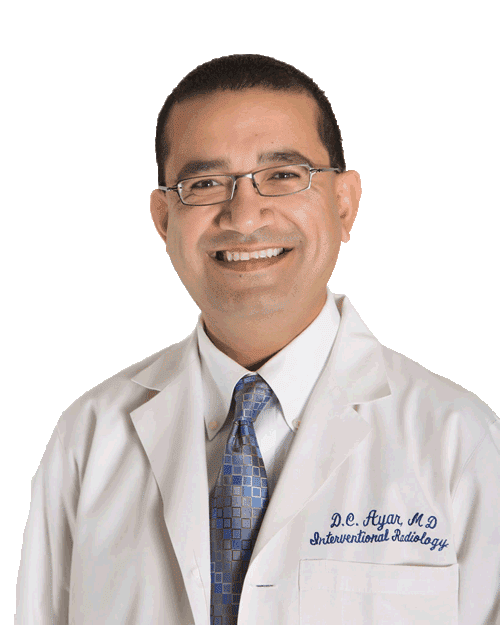
I'm Dr. Ayar, an interventional radiologist at Coastal Vascular Center in Pearland and Lake Jackson. Here is how to tell normal swollen legs after surgery from swelling that needs to be checked the same day.
Key Takeaways
- Mild swelling in both legs or around the surgical site is common for days to a few weeks after surgery.
- Swelling in one leg with calf pain, warmth or redness can be a deep vein thrombosis (DVT) and needs same-day care.
- Sudden shortness of breath or chest pain after surgery is an emergency. Call 911.
- Walking as soon as your surgeon allows, calf exercises in bed and any prescribed blood thinners or compression lower your clot risk.
- A painless ultrasound can tell a clot from ordinary post-surgery swelling.
Why Legs Swell After Surgery
Several things add up after an operation:
- Inflammation from healing tissue, especially after knee, hip, ankle or abdominal surgery
- IV fluids given during and after the procedure
- Hours of lying still, then days of sitting with your legs down
- Less use of the calf muscles, which normally pump blood back up toward the heart
- Some pain medicines and other drugs that make the body hold on to fluid
This kind of swelling usually affects both legs or the leg that was operated on, gets better when you raise your legs, and slowly improves as you start moving again.
When Swollen Legs After Surgery Could Be a Blood Clot
Surgery increases the risk of deep vein thrombosis because blood moves slowly when you are still, the vein walls can be irritated during the operation, and the body's clotting system is more active during healing. Orthopedic surgery on the hip or knee carries some of the highest risk, but any major operation counts. Clots most often form in the first few weeks, and they can still form after you get home.
Call your surgeon or get checked the same day if you notice:
- Swelling in one leg that is clearly worse than the other
- Pain or tenderness in the calf or thigh, often a cramp or charley-horse feeling that doesn't ease
- Warmth or redness over part of the leg
- Swelling that keeps getting worse even when you raise the leg
Call 911 if you have sudden shortness of breath, chest pain that is worse when you breathe in, a fast heartbeat or coughing up blood. These can be signs that a clot has traveled to the lungs. You can read more about the warning signs of DVT and what causes swelling in one leg.
How Long Swelling After Surgery Lasts
Swelling around a joint or incision is often worst in the first few days and fades over several weeks. After a knee or hip replacement, some ankle and lower-leg swelling can come and go for a few months, especially at the end of the day. Steady improvement is the reassuring sign. Swelling that suddenly gets worse, moves to one side or comes with new pain is the reason to call.
Ways to Ease Swelling and Lower Your Clot Risk
Always follow your surgeon's instructions first, since some operations come with limits on movement. Within those limits, these steps help:
- Get up and walk as soon as you are allowed, even short trips around the house
- In bed or a chair, point and flex your feet and circle your ankles several times an hour
- Raise your legs above the level of your heart when resting
- Wear compression stockings or use leg pumps if they were prescribed
- Take any blood thinner exactly as prescribed and don't skip doses
- Drink enough fluids unless you have been told to limit them
For long car rides or flights in the weeks after surgery, stop or stand every hour or two. My guide on how to reduce swelling in legs has more everyday tips.
How We Check for a Clot
A duplex ultrasound is the main test. It is painless and shows whether blood is flowing freely through the deep veins or blocked by a clot. If there is no clot, the swelling is usually from healing and inactivity and can be managed with movement and elevation. If there is a clot, treatment usually starts with blood thinners, and I work with your surgeon on timing since you are still healing.
MedlinePlus has more on deep vein thrombosis.
Leg Swelling Checks at Coastal Vascular Center
Coastal Vascular Center is a physician-owned practice in Pearland and Lake Jackson. If you have swollen legs after surgery and aren't sure whether it's normal, we can check your veins with an ultrasound and send the results to your surgeon. You see me at every visit.
Swollen Legs After Surgery: Common Questions
Yes. Mild swelling in both legs or around the surgical area is common for days to weeks, from healing, IV fluids and sitting or lying still. It should slowly improve as you move more.
Swelling around the incision often peaks in the first few days and fades over several weeks. After joint replacement, some ankle swelling can come and go for a few months.
Swelling in one leg with calf pain, warmth or redness, or swelling that keeps getting worse, can be a DVT. Get checked the same day. Shortness of breath or chest pain needs 911.
Hip and knee replacement and other major orthopedic, abdominal and cancer surgeries carry higher risk, along with any operation followed by a long period of limited movement.
Yes. Walking and simple ankle exercises work the calf muscles that pump blood out of the legs, which eases swelling and lowers clot risk. Follow your surgeon's activity limits.
Get Your Swollen Legs Checked
A painless ultrasound can tell a clot from ordinary swelling after surgery. You will see Dr. Ayar at every visit in Pearland or Lake Jackson.

